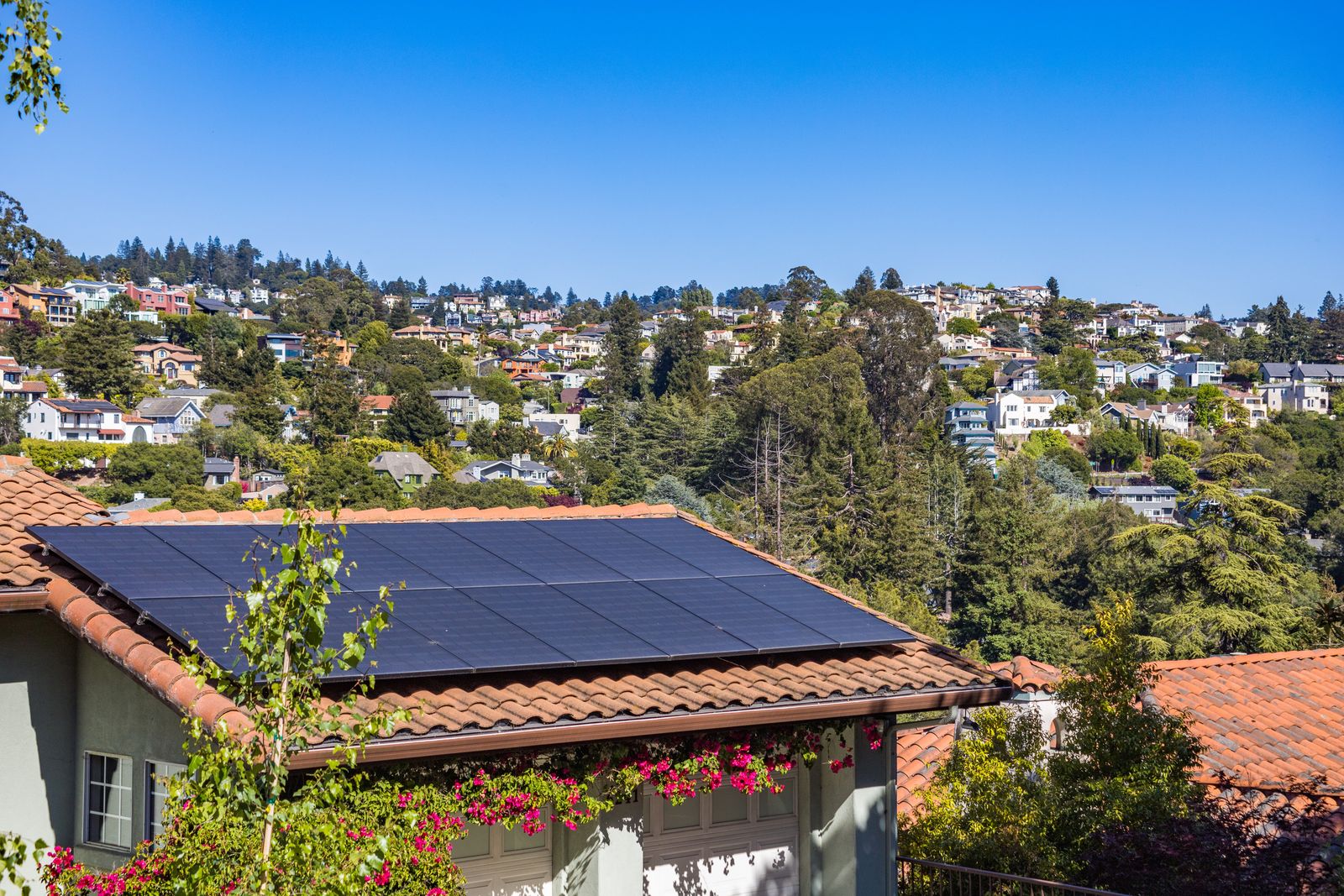
Key facts — Fort William
- •Fort William postcode area: PH33
- •SSEN North is the Distribution Network Operator
- •Solar panels generate from daylight, not direct sunshine
- •0% VAT on solar installations until March 2027
- •Interest-free credit up to £30,000, subject to status
- •Installations through MCS-certified partners
Last updated: 28 October 2026 · Reviewed by the Scottish Energy Efficiency team
What housing is common in Fort William?
Fort William has a mix of traditional granite and harled terraced houses near the town centre, post-war semi-detached homes in areas like Inverlochy and Caol, and modern detached properties on the Upper Achintore and Blar Mhor developments. Many older properties have slate roofs with good load-bearing capacity, though some have steep pitches that benefit from low-profile in-roof systems. Flatted dwellings are common near the town centre and are generally not suitable for individual solar unless the roof is exclusively used by the top-floor resident.
How does roof orientation affect solar in Fort William?
Fort William sits at the head of Loch Linnhe with Ben Nevis to the northeast. South-facing roofs are optimal, but the town's grid layout means many houses have east-west orientations. East-facing roofs capture morning light, while west-facing catch afternoon and evening generation — both still productive in Scottish summers with 16+ hours of daylight. Properties in Caol and Inverlochy with unobstructed south-facing roofs see the best returns, but even east-west systems generate well with modern panels.
What weather factors matter for solar in Fort William?
Fort William is one of the wetter towns in the UK, but solar panels generate from daylight, not direct sunshine. The surrounding mountains cast shadows in winter, particularly properties close to Ben Nevis. Snow rarely settles for long at sea level. Marine-grade fixings are recommended for properties near the lochside due to salt spray exposure.
What should I know about installation in Fort William?
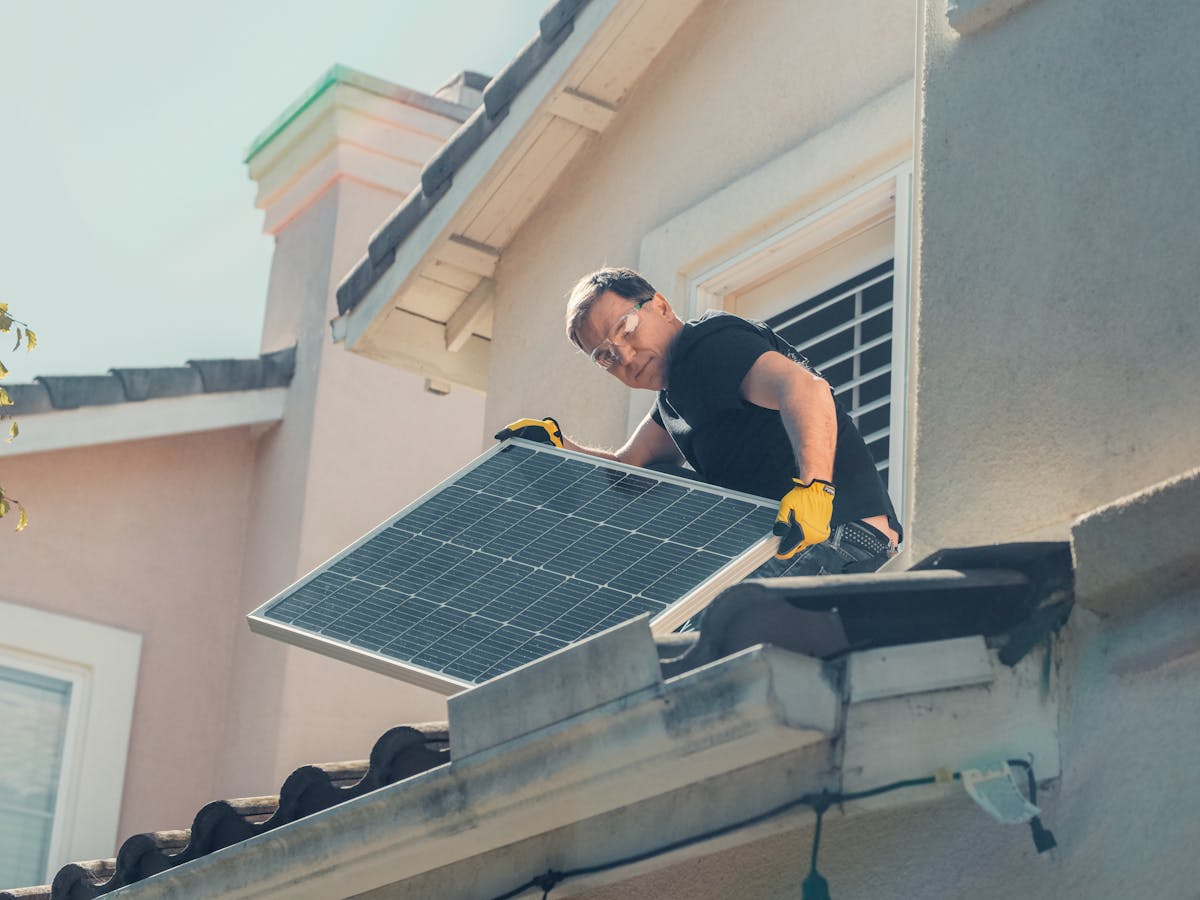
Most Fort William installations are straightforward — good road access, SSEN grid connections are generally unconstrained in the town centre, and standard G99 notification applies for systems up to 3.68kW per phase. Properties in more remote parts of PH33, such as Inverlochy upper or the Glen Nevis road, may have longer grid cable runs. Our installer partners carry out installations year-round, weather permitting.
Fort William solar FAQs
Do solar panels work in Fort William's wet climate?
Yes. Panels generate from daylight, not sunshine. Fort William gets 1,200–1,400 peak sun hours annually — enough for strong returns with modern panels rated for Scottish conditions.
Is my Fort William roof suitable for solar?
Most south, east or west-facing roofs in Fort William are suitable. Our survey checks pitch, shading from Ben Nevis or neighbouring buildings, and structural capacity. North-facing roofs are generally not recommended.
How does SSEN grid connection work in Fort William?
Fort William town centre has standard SSEN North grid capacity. Systems up to 3.68kW per phase use simplified G99 notification. Our installer partners handle all DNO paperwork as part of the installation.
Can I add battery storage to my Fort William home?
Yes. Battery storage is particularly valuable in Fort William given the long winter evenings. We size batteries based on your evening usage and solar generation profile, assessed during the survey.